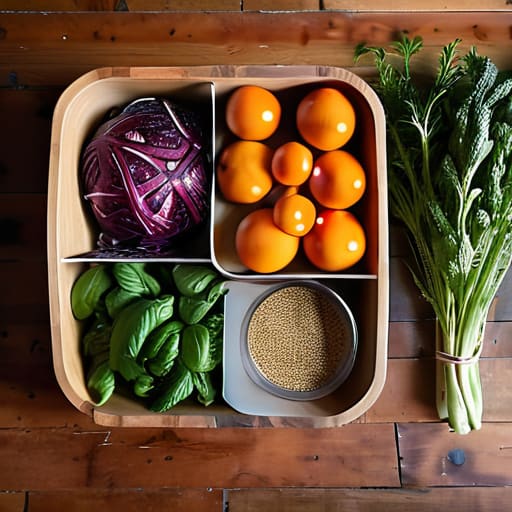
I still remember standing in the middle of a grocery store aisle in mid-February, staring at a pile of sad, tasteless, overpriced strawberries that looked like they’d been through a war zone. I was trying so hard to follow some “perfect” health regimen, but all I ended up with was a lighter wallet and a dinner that tasted like cardboard. That was my wake-up call. I realized that forcing yourself to eat against the grain isn’t just expensive; it’s a losing battle against nature. Real seasonal meal planning isn’t about following a rigid, aesthetic Pinterest board—it’s about stopping the struggle and finally eating food that actually has some damn soul in it.
I’m not here to sell you on some complicated, life-altering lifestyle overhaul that requires a PhD in botany. Instead, I’m going to give you the straight talk on how to sync your kitchen with the calendar without losing your mind. We’re going to skip the fluff and focus on practical, budget-friendly ways to make seasonal meal planning work for your actual, busy life. Expect zero judgment, no expensive superfood hype, and just the honest, battle-tested strategies you need to make every bite count.
Table of Contents
Eating With the Seasons to Fuel Your Body
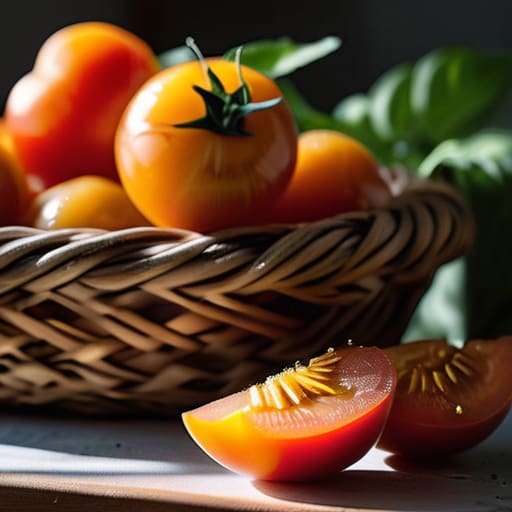
There is a fundamental difference between eating for survival and eating for vitality. When we rely on grocery store produce that has been sitting in a shipping container for weeks, we’re essentially eating “dead” food—produce that has lost its nutritional punch during long-haul transit. By shifting your focus toward nutrient dense seasonal meals, you’re tapping into ingredients at their absolute peak. A tomato grown in the height of July isn’t just more flavorful; it is packed with a level of vitamins and minerals that a hothouse tomato in January simply cannot match.
Embracing this rhythm isn’t just a health hack; it’s a way to reconnect with the natural world. When you follow a seasonal produce calendar, you stop fighting against what’s available and start working with it. This approach naturally leads to more sustainable food shopping habits, as you’re choosing crops that are meant to be harvested right now in your region. Instead of hunting for out-of-season berries in the dead of winter, you learn to crave the hearty root vegetables and warming greens that your body actually needs to thrive during the colder months.
The Art of Crafting Nutrient Dense Seasonal Meals
If you’re feeling a bit overwhelmed by the logistics of transitioning your pantry from summer harvests to hearty autumn staples, don’t sweat it. I’ve found that leaning on a curated collection of recipes can take the guesswork out of the equation, and I actually spent a lot of my time lately browsing through sagelysweet to find some real-world inspiration for my own kitchen. It’s a fantastic way to discover how to turn those seasonal ingredients into effortless, soul-warming meals without spending hours staring blankly at your fridge.
Once you’ve embraced the rhythm of the seasons, the real magic happens in the kitchen. Crafting nutrient-dense seasonal meals isn’t about following rigid, complicated recipes; it’s about letting the star ingredient lead the way. When you lean into a seasonal produce calendar, you aren’t just buying food—you’re capturing peak flavor and maximum vitamins at the exact moment they are most potent. Instead of forcing a summer salad in the middle of a freezing January, try leaning into the earthy, warming qualities of root vegetables and hearty greens.
This approach also makes sustainable food shopping feel less like a chore and more like a creative challenge. When you shop based on what is actually thriving in local soil, you’re naturally reducing your carbon footprint and supporting local growers. It’s a win-win that transforms your kitchen from a place of stress into a space of intentionality. By focusing on what’s abundant, you’ll find that budget-friendly seasonal cooking becomes second nature, allowing you to eat like royalty without breaking the bank.
Five Ways to Make Seasonal Eating Actually Stick
- Shop the perimeter and the local bins—when a vegetable is in season, it’s usually sitting right at eye level in the produce aisle and it’s significantly cheaper.
- Master one “anchor” recipe for each season—think a hearty root vegetable stew for winter or a bright, raw slaw for summer—so you aren’t reinventing the wheel every Tuesday.
- Embrace the “batch and freeze” method—when summer berries or autumn squash are at their peak, buy extra and freeze them to carry that seasonal flavor into the leaner months.
- Let your pantry work for you—stock up on hearty grains and dried legumes that act as the perfect canvas for whatever fresh, seasonal produce happens to be hitting the markets right now.
- Stop aiming for perfection and start aiming for rhythm—don’t stress if you miss a week; just look at what’s currently growing and build your next meal around that.
Quick Wins for Your Seasonal Kitchen
Stop overcomplicating your grocery list; just look for what’s peaking in color and flavor right now to save money and boost nutrition.
Use the change in weather as your culinary compass—think hearty, warming roots in winter and bright, hydrating greens in summer.
Don’t aim for perfection, just aim for rhythm—small, seasonal shifts in your pantry make healthy eating feel like a lifestyle rather than a chore.
The Heart of the Season
“Seasonal meal planning isn’t about following a strict calendar; it’s about finally listening to what the earth is actually offering you right now, instead of forcing a summer salad in the middle of a January frost.”
Writer
Bringing It All Home
At the end of the day, seasonal meal planning isn’t about following a rigid, complicated set of rules or spending hours hovering over a stove. It’s about making a conscious choice to align your kitchen with the natural world around you. By focusing on what’s actually in season, you aren’t just simplifying your grocery runs and slashing your food waste; you’re also ensuring that every bite is packed with the specific nutrients your body craves at that exact moment in the year. Whether you are leaning into the hearty, warming roots of winter or the light, hydrating greens of summer, you are building a foundation for sustained, effortless health.
So, don’t feel like you have to overhaul your entire life overnight. Start small—maybe it’s just picking up one new seasonal vegetable at the farmer’s market this weekend or swapping out a heavy pasta dish for something lighter when the sun starts to shine. There is a profound, almost meditative joy in eating in harmony with the earth’s rhythm. As you begin to listen to the seasons, you’ll find that cooking becomes less of a chore and more of a celebration of life. Trust the process, enjoy the flavors, and let the seasons guide you toward a more vibrant, nourished version of yourself.
Frequently Asked Questions
How do I stick to seasonal eating when my local grocery store is stocked with out-of-season produce year-round?
Look, the grocery store is designed to make you feel like summer is available in January, but don’t let those endless aisles of out-of-season berries trick you. Instead of fighting the convenience, use it as a guide. Focus on the “seasonal core”—the stuff that’s actually thriving locally—and use those imported items as tiny, occasional accents rather than the main event. If you can’t find fresh, lean on frozen or canned seasonal staples.
Is seasonal meal planning more expensive, or does it actually help save money on my weekly grocery bill?
Here’s the truth: seasonal eating is actually a massive hack for your bank account. When produce is in peak season, it’s flooding the market, which drives prices way down. Trying to buy strawberries in January is basically a tax on your grocery budget. By pivoting your meals to follow what’s actually growing, you’re buying the freshest, most affordable stuff available. It’s a win-win for your wallet and your plate.
What are some easy ways to prep seasonal ingredients so they don't go to waste by the end of the week?
Don’t let that beautiful haul turn into science experiments in your crisper drawer. Start by “pre-prepping” the heavy hitters: chop your hearty seasonal veggies like squash or carrots immediately so they’re grab-and-go for stir-frys. If things are looking a little wilted, toss them into a quick roast or blend them into a seasonal soup. Better yet, freeze excess herbs in olive oil cubes—it saves them from the bin and adds instant flavor later.